

Childhood sexual abuse (CSA) is a scourge in our society which, unchecked, leads to ongoing victimisation and intergenerational trauma. The impacts are profound and lifelong.
The statistics are shocking:
According to Australian Bureau of Statistics, 11% of women report sexual abuse by an adult perpetrator before the age of 15 and, of these, 69% report it happening more than once. The perpetrator was most likely known to them (88%) and commonly a family member (47%).
Most commonly, the first incident of CSA occurred between the ages of five and nine (49%), involved one perpetrator (85%) and was never reported to the police (84%).
Of all recorded reports of sexual assault to NSW Police in 2022, 59% of victims were under 18. Of these, 71% were aged 10-17 years old and 79% were female.
Another recent study, the 2023 Australian Child Maltreatment Study (ACMS) found that 28.5% of Australians experienced childhood sexual abuse and that girls (37.3%) experience it at double the rate of boys (18.8%).
The ACMS found that one in four Australians experienced one or more types of contact CSA (23.7%) while almost one in five experienced non-contact CSA (18.1%) and almost one in ten experienced forced sex in childhood (8.7%).
The grooming process causes vulnerable children to feel complicit in their abuse so that they carry shame and self-blame for an average of 20.6 years before disclosing their trauma.
Having trust violated at a formative stage of emotional development, this can set the stage for ongoing mental health and wellbeing issues ranging from low self-worth and unhealthy relationships to severe mental health disorders.
Despite this level of prevalence, childhood sexual abuse remains a taboo topic. While it may make people feel uncomfortable, this is nothing in comparison to the impact on survivors of staying silent.
Until recently, domestic violence was also taboo. Women were shamed and blamed for the abuse perpetrated upon them and were forced to endure ongoing abuse due to a lack of resources. We have seen a shift whereby a language has grown around domestic violence and we now have legislation to reflect the nuances, such as coercive control.
Likewise, childhood sexual abuse thrives in the shadows. Domestic violence and childhood sexual abuse have traditionally been kept in silos, despite their fundamental connection.
Stepping Out is a specialist service with a long history of supporting adult female survivors of childhood sexual abuse, never having wavered in our original goal. We use clinical expertise to connect survivors so they feel heard, believed and less alone.
We believe that it is time for childhood sexual abuse to be discussed frankly, bravely and without judgement within the wider context of gendered violence against women.
Childhood Sexual Abuse Support for Women
Free Trauma-informed Support Programs
We run therapeutic programs and social groups designed to address the lasting impacts of childhood sexual abuse, providing survivors with knowledge, connection and support at every stage of recovery.
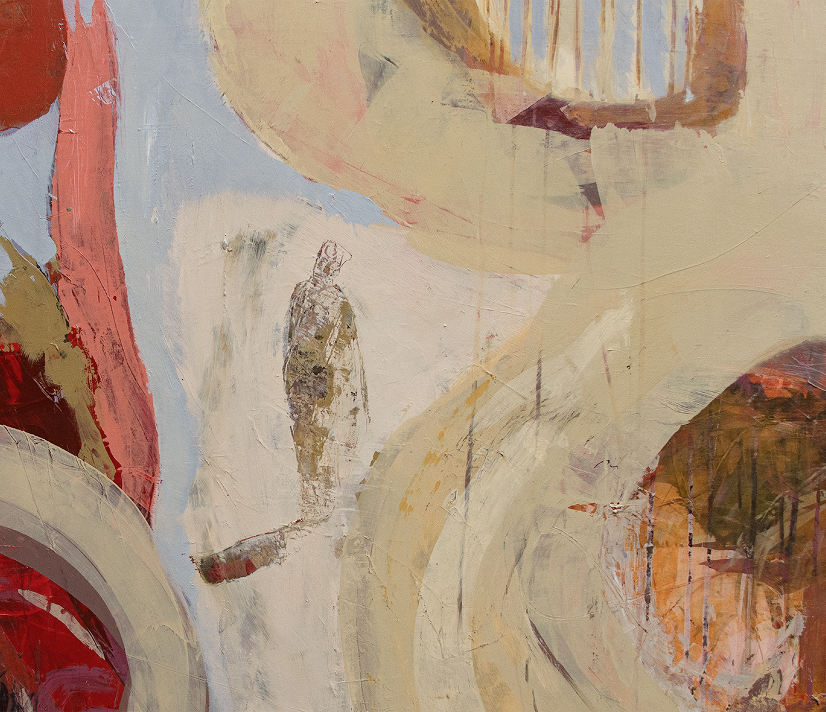
Psychoeducational Peer Support for Trauma Recovery
Shift the Shame
Understand and manage the impacts of childhood sexual abuse. Explore trauma theory, attachment, relationships, boundaries, values and self-compassion in a safe space with other survivors. In person program led by specialist trauma clinicians.
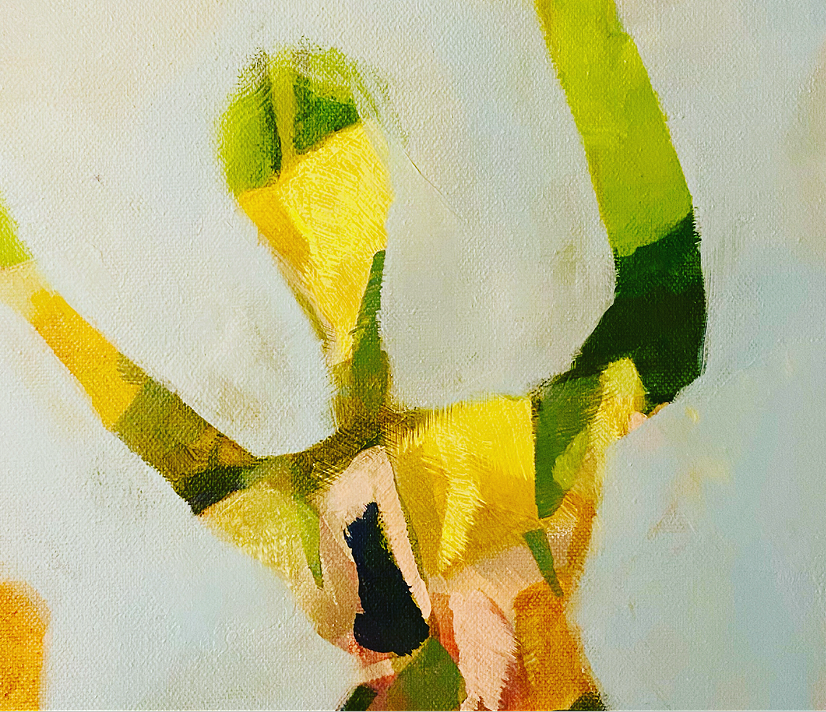
Social Connection
The World Awaits
Social inclusion groups and activities for women survivors of childhood sexual abuse who experience isolation as a result of their trauma. Rebuild community in our safe, welcoming space in Marrickville.
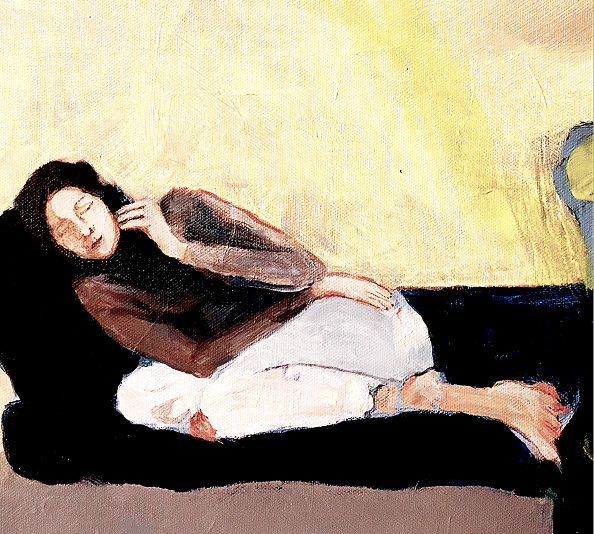
Body-Based Regulation
Your Somatic Toolbox
Learn practical, body-based techniques to soothe the nervous system and aid emotional self-regulation. This program is run by a qualified trauma clinician in Marrickville.

Parenting Program
Circle of Security®
This support group strengthens family bonds and furthers safe, secure relationships with trauma-informed workshops for survivors who are mothers or grandmothers of children aged 0-12. In person or online.
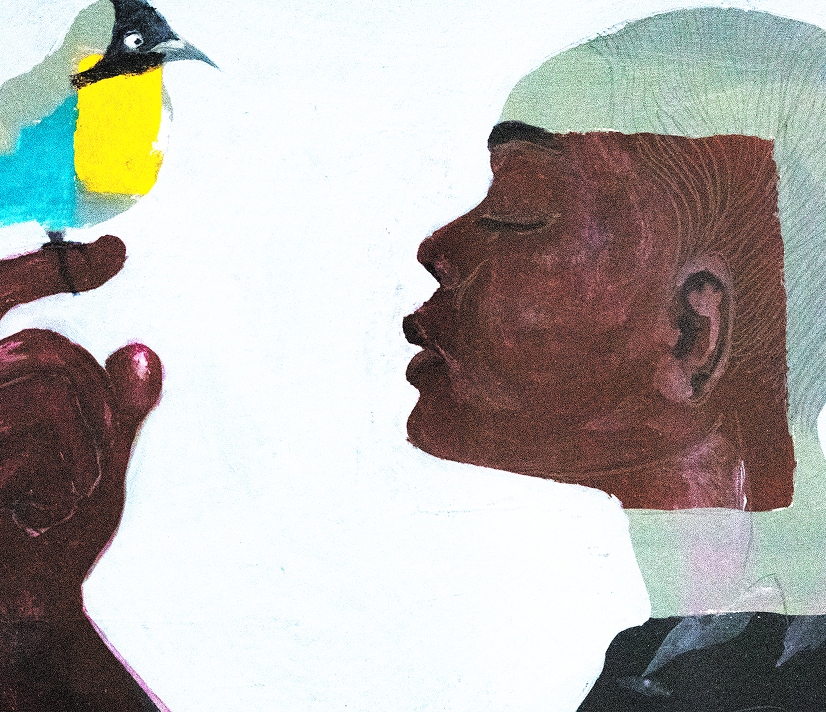
Navigating Relationships
You Are Not Alone
A program specifically designed for victim-survivors as a gentle, ‘soft entry’ into recovery from trauma, focusing on building healthy, safe connections. In person or online.